

What Should Residents Consider First When Designing a Logo for Custom Clothing?
Before beginning a logo design for custom clothing in Buffalo, NY, it’s helpful to get clear about your intended use and the characteristic conditions of the city. The climate, community values, and common activities sometimes shape how a logo will look and perform on apparel.
Start by clarifying the following:
- Purpose: Is the logo for a local sports team, school club, or neighborhood event?
- Users: Who will wear the clothing, and what age range or interests do they have?
- Environment: Buffalo’s winters mean thicker fabrics and outerwear are common. Consider how your logo will appear on jackets versus light t-shirts.
Think about how visible or subtle the logo should be, especially since outer layers are prominent much of the year.
How Do Colors and Materials Affect Logo Design for Custom Clothing?
The materials commonly used in this area—like fleece hoodies, knit hats, and waterproof jackets—affect how colors and lines appear. Darker colors are popular for warmth and durability, but can impact logo visibility.
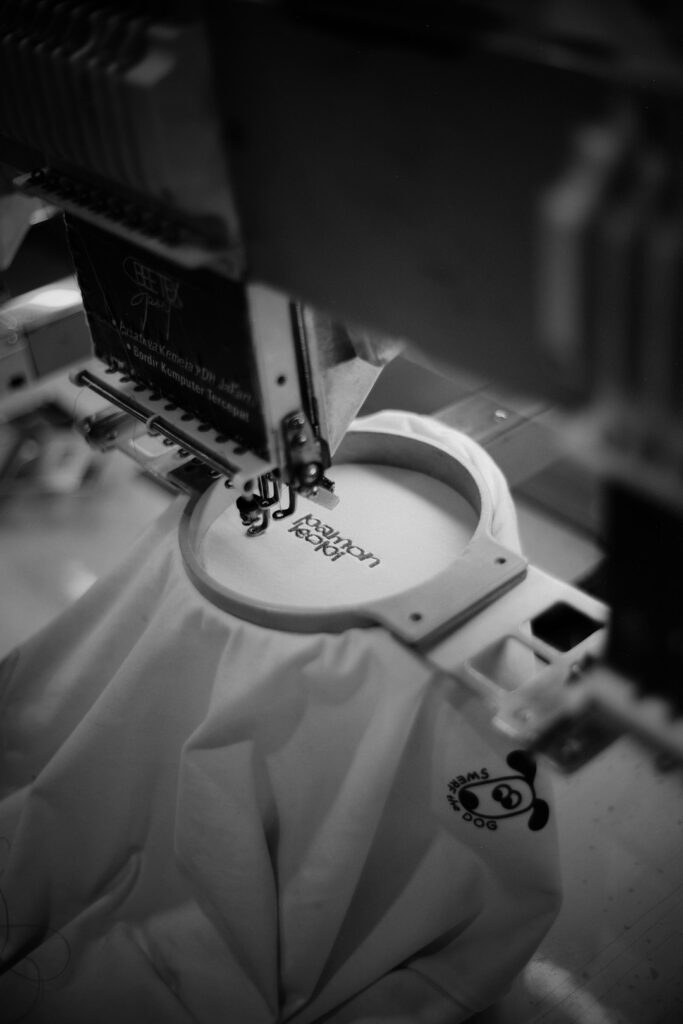
- Fabric and Print Method: Embroidery, screen printing, and heat transfer react differently to colors and detail levels. For example, intricate designs may lose clarity when embroidered on thick material.
- Color Choice: High contrast works best for maximum visibility, especially on winter outerwear. Consider combinations like white-on-navy or yellow-on-black.
- Weather Impact: Frequent snow, rain, and mud mean pale colors and overly delicate logos may fade or stain more easily.
Try visualizing your logo on the specific clothing type and color, keeping everyday local weather in mind.
What Are Practical Tips for Creating an Appealing and Functional Logo?
A logo meant for apparel works best when it’s simple, memorable, and flexible across different garment styles. Designs that are too detailed or rely on subtle color gradations may not hold up through washing and wear, especially in homes across Buffalo that tend to prioritize practical, long-lasting clothing.
- Simplicity: Aim for bold shapes and limited color palettes. Detailed imagery may look sharp on a screen but becomes messy on textured fabrics.
- Scalability: Ensure the design looks good at every size, from a small patch on a hat to a full crest on a parka.
- Testing on Paper and Fabric: Print your design on both paper and fabric samples. Judge how the details and colors translate in real-world conditions—like up against denim jeans, canvas bags, or winter hats.
Residents often overlook how a design looks under natural light or when viewed from a distance during outdoor events.
Are Certain Themes or Motifs Especially Meaningful for Buffalo, NY?
Buffalo’s rich sense of place offers unique inspiration for local logos. Many residents value designs that speak to hometown pride, neighborhood identity, or outdoor life common in the area.
Some popular themes include:
- Regional wildlife like bison, birds, or lake imagery
- Simple outlines of Lake Erie or area landmarks
- Historic motifs, such as traditional script fonts or heritage colors
- Community or neighborhood symbols that foster local recognition
Try sketching several versions using motifs or colors that resonate with your group or event’s roots in the Buffalo area.
How Can Someone Test and Get Feedback on a Logo Before Finalizing It?
Sharing early drafts and actively seeking feedback can prevent common regrets, such as hard-to-read fonts or colors that don’t stand out. This is especially true for designs used on group orders or team uniforms, where visibility and legibility matter in school halls, parks, or local events.

- Ask several people of different ages what they see and feel when they view the logo.
- Look for honest input about what’s easy to notice or hard to recognize.
- Assess how the logo appears on a mock-up of the intended apparel—not just a digital screen.
Feedback from families, teams, or clubs in the city can reveal surprising blind spots, such as a design blending into snow gear or clashing with school colors.
Are There Common Mistakes People Make Designing Logos for Local Apparel?
Some practical pitfalls seen across area households include overloading the logo with text, using too many fine lines, or forgetting about wear-and-tear. Overly trendy elements may age quickly, while classic, readable logos tend to endure.
Watch out for:
- Crowded layouts: Too many words or images make a logo hard to see at a glance.
- Reliance on trendy fonts: These can look outdated in a year or two.
- Missing your audience: A design created without input from users—like club members or teammates—may not fit the group identity.
It helps to revisit local clothing trends, such as the prevalence of layered outfits, to ensure your logo remains functional and attractive even when layered under coats or paired with hats and scarves.
What File Formats and Guidelines Ensure the Logo Is Print-Ready?
For the smoothest process, prepare your finished logo in a format that works for common print methods used by local apparel makers. Vector files (such as .AI or .SVG) are best for resizing without losing sharpness.
Key guidelines:
- Create a high-contrast version for use on dark and light clothing.
- Save both color and black-and-white versions for flexibility.
- Ensure text is outlined or embedded (not just a font file).
Following these steps makes it easier to order custom apparel for community groups, schools, or family events—an especially valued tradition in the city during festival seasons or annual gatherings.