

What Are DTG and Screen Printing?
DTG (Direct-to-Garment) and screen printing are two of the most common methods for customizing clothing. Both have specific strengths and limitations, making them suited to different project needs. Local residents often encounter these techniques when creating group t-shirts, event wear, or custom apparel for schools and community events.
DTG uses digital technology, much like an inkjet printer, to print designs directly onto fabric. Screen printing involves pushing ink through a screen stencil for each color in the design. Knowing the distinction helps area households choose the most practical option based on style, volume, and durability.
How Does DTG Printing Work?
DTG machines operate by spraying textile ink directly onto the fabric using a specialized printer. This process allows for highly detailed, full-color designs, including gradients and photographic images. Artwork is created digitally, sent to the printer, and printed in a single process. Fabrics are typically pre-treated to help the ink bond, and the printed shirts are heat-cured for durability.
Buffalo's climate, with its cold winters, makes DTG especially suitable for creating detailed, layered designs on cotton sweatshirts and hoodies—popular choices for warmth during lake-effect snow seasons. Single shirts or small batches can be produced without extra setup, so this method fits local residents needing unique or last-minute custom apparel.
How Does Screen Printing Work?
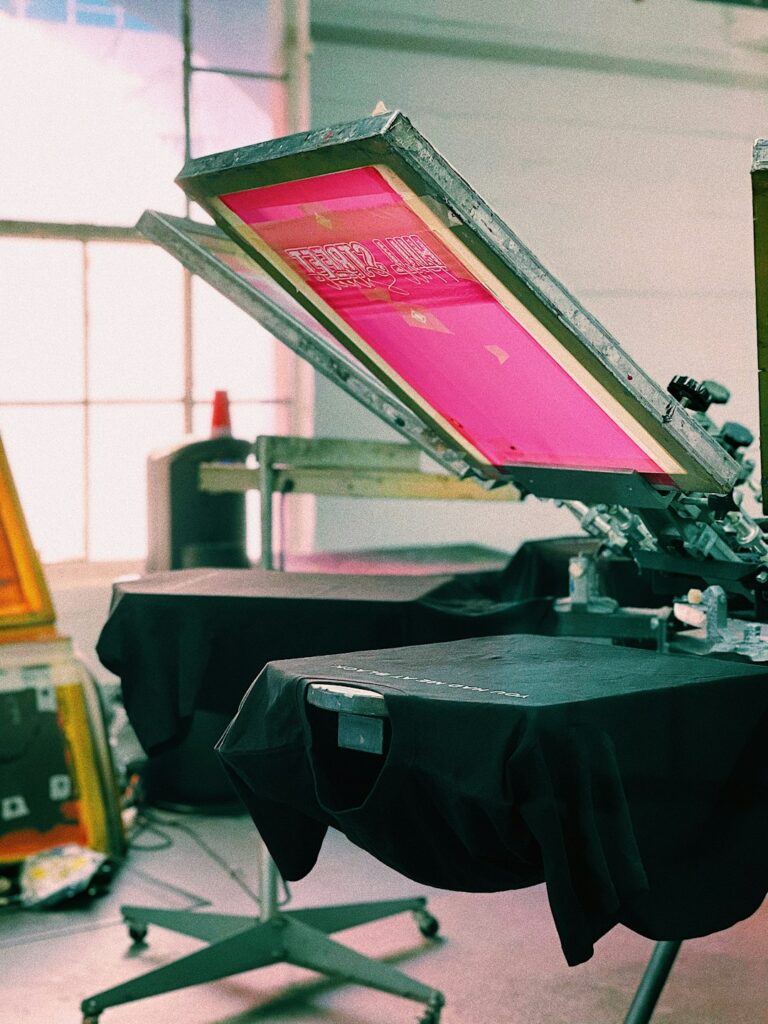
Screen printing involves creating a separate stencil (or "screen") for each color in the design. Ink is then pressed through the screen onto the fabric one layer at a time. Once all layers are applied, printed clothing is heat-cured to set the ink.
While screen printing requires more setup time and preparation, it excels at producing large batches of identical items, such as uniforms for youth leagues, local school events, or summer festival tees. The technique is highly economical for volume projects and produces vivid, durable colors that withstand repeated washing—important for families in the area where shirts often see heavy use throughout the year.
What Are the Key Differences in Appearance and Feel?
The results from DTG and screen printing can look similar on finished shirts, but there are notable differences:
- DTG prints blend seamlessly into the fabric and are especially smooth on light-colored cotton.
- Screen printing creates a layer of ink sitting on top of the fabric—this feels slightly raised on heavy designs.
- DTG makes it easy to reproduce photos or complex gradients, which are challenging for screen printing due to color layer limits.
- For large, simple graphics requiring solid colors, screen printing often produces more vibrant, consistent results.
Local residents choosing detailed artwork or photographic imagery, such as family reunion shirts featuring group photos, may notice DTG provides sharper, truer-to-original prints. For bold slogans or school logos, screen printing stands out for color consistency and crisp edges.
Which Method Is More Durable?
Durability often matters in Buffalo, where clothing experiences regular temperature changes, machine washing, and winter layering. Both methods produce designs that last, but there are differences:
- Screen-printed ink bonds more robustly and tends to withstand years of regular wear, repeated washing, and friction from jackets or outerwear.
- DTG designs are durable but can fade faster—especially on dark fabrics or without following specific care instructions like washing inside out.
Long-term projects—such as athletic wear for community sports—often rely on screen printing to maintain color and clarity through seasons of use. DTG is reliable for occasional wear and one-off designs where ultra-long life is less critical.
How Does Order Size Affect the Choice?
Order quantity is often a deciding factor for community groups and local schools:
- DTG works best for single pieces or small runs (typically fewer than 12-20 shirts). There’s no need for screen setup, so costs stay relatively low at small volumes.
- Screen printing becomes increasingly economical as order size grows. The upfront work is divided over more items, making the per-shirt cost decrease for larger groups—practical for classroom, team, or neighborhood events.
Knowing this helps households and groups avoid unnecessary expense or delays.

What Fabric Types Work Best for Each Method?
Both methods work on cotton, but some fabrics perform better than others:
- DTG achieves its best results on 100% cotton. Its ink bonds less reliably with synthetic materials like polyester, which are common in athletic and performance wear.
- Screen printing works on a broader range of fabrics: cotton, cotton blends, polyester, and others. It’s the practical choice for moisture-wicking shirts, jackets, and technical gear frequently worn outdoors.
Area residents planning custom clothing for local sports, outdoor fundraisers, or colder months may find screen printing more versatile for unusual fabric blends.
Are There Environmental or Health Considerations?
Both techniques have made advances in safety and sustainability, but there are distinctions:
- DTG uses water-based inks, which produce less chemical waste and pose fewer risks if properly cured and handled.
- Screen printing inks can be either plastisol (oil-based) or water-based. Plastisol produces more waste and requires chemicals for cleanup, but it offers maximum durability.
Households concerned about environmental impact or skin sensitivity should confirm the type of inks used, especially for children's or infant apparel.
What Common Misconceptions Do Residents Have?
Some common misunderstandings in the community include:
- Assuming DTG is always "better" because it's newer—while it's excellent for complex designs, screen printing is superior for many high-use or bulk orders.
- Believing all printed shirts are equally durable—washing method and base fabric factor heavily into how long prints last.
- Expecting either technique to perform equally on all materials—synthetic performance wear needs special handling.
Understanding these subtleties prevents disappointment and ensures the right choice for the project.