

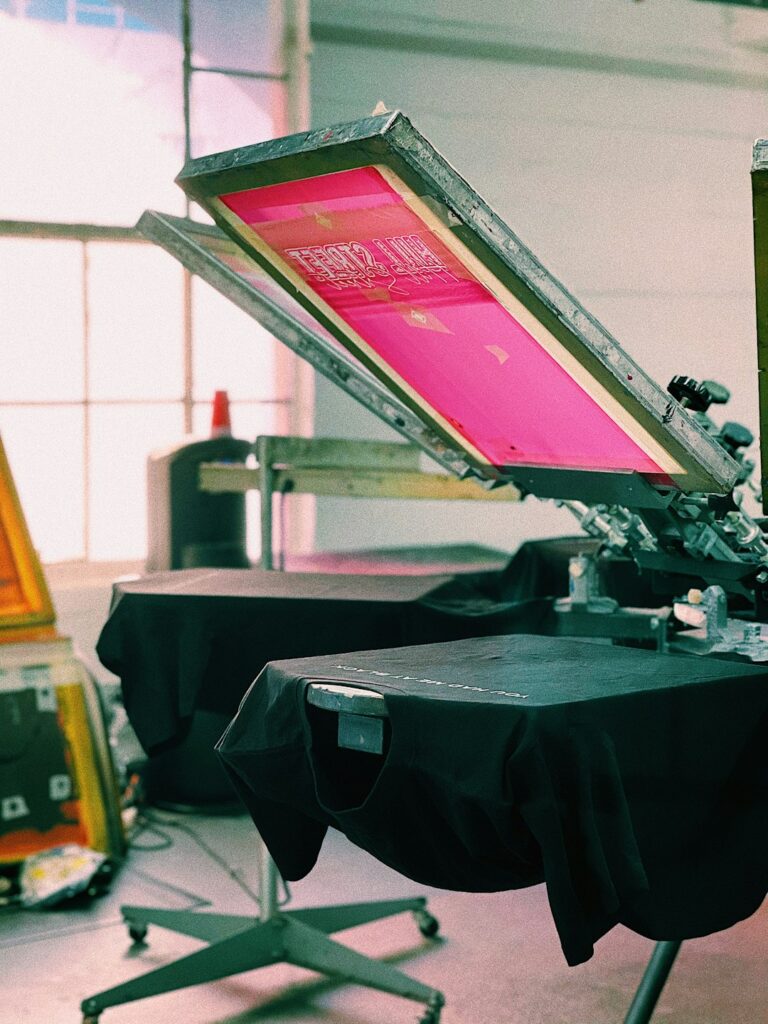
Custom apparel pricing is rarely based on the garment alone. The final cost usually reflects the type of clothing, decoration method, artwork, quantity, number of print locations, and turnaround time. Understanding these factors makes it easier to compare quotes and avoid surprises.
What usually determines the price of a custom apparel order?
The main cost factors are the blank garment, decoration method, quantity, design requirements, placement, and production schedule. Two orders with the same number of shirts can have very different prices if one uses simple one-color printing and the other requires multiple locations or specialty materials.
A typical order may include:
- The base garment, such as a T-shirt, sweatshirt, jacket, hat, or work shirt
- Artwork preparation or design adjustments
- Printing, embroidery, or another decoration process
- Setup costs for screens, films, digitized embroidery files, or other production materials
- Additional charges for extra print locations or specialty effects
- Packaging, delivery, or expedited production when applicable
A useful comparison should look at the complete order total rather than only the advertised price per item.
How does the garment itself affect cost?
The clothing selected for decoration can account for a significant portion of the total. Basic cotton T-shirts generally cost less than heavyweight sweatshirts, performance garments, outerwear, or structured headwear.
Fabric weight, construction, and finishing also matter. A simple shirt may be easy to decorate, while a lined jacket, waterproof shell, ribbed cuff, or thick fleece garment may require more preparation and specialized handling.
For residents preparing apparel for seasonal use, Buffalo’s cold winters can make heavier garments attractive, but they also increase the material cost. A sweatshirt, insulated layer, or durable work jacket usually costs more than a lightweight shirt. Ordering different garment types together may also produce separate pricing because each item can require its own setup and handling.
Color can affect pricing as well. Dark garments often require an underbase layer beneath the visible artwork so the design remains bright. That extra layer may increase production time and material use.
Why does the decoration method matter?
Printing and embroidery are priced differently because they use different equipment, materials, and preparation steps.
Screen printing is often economical for larger quantities with the same design. Each ink color may require a separate screen and setup step, so a one-color design is generally simpler than a detailed design using several colors. Large solid areas, gradients, fine details, and specialty inks can affect both price and production requirements.
Direct-to-garment and similar digital printing methods may be useful for detailed artwork, photographic images, or smaller quantities. These methods can reduce some traditional setup requirements, but the garment, image size, color coverage, and fabric composition still influence the total.
Embroidery is priced partly by stitch count. A small left-chest design may require far fewer stitches than a large design across the front or back. Dense artwork, many color changes, and lettering with small details can increase machine time and digitizing work.
Heat-applied graphics can be suitable for names, numbers, short runs, or individualized items. Pricing may depend on the size, number of colors, material type, and whether each garment has different information.
Does order quantity lower the per-item price?
Often, yes. Larger orders can reduce the per-item cost because setup, artwork preparation, and production time are spread across more garments. This is why a small order may have a higher unit price even when the garments and design are identical.
The savings are not unlimited. Additional quantities still require more garments, decoration time, labor, and materials. Volume pricing also depends on whether every item uses the same design, garment type, color, and placement.
For example, 36 shirts with one identical front design are usually simpler to price than 36 garments divided among several designs, sizes, colors, and locations. A mixed order may still qualify for quantity savings, but the calculation can be more complicated.
How do artwork and design changes add to the cost?
Artwork that is ready for production may require little preparation. Artwork taken from a low-resolution image, screenshot, or document may need cleaning, redrawing, color separation, or conversion into a suitable file format.
Common design-related factors include:
- Low-resolution or blurry source files
- Handwritten elements that must be recreated digitally
- Multiple versions of a design
- Changes to names, numbers, or dates
- Detailed illustrations with fine lines
- Requests for unusual sizes, placements, or color combinations
Embroidery usually requires digitizing, which converts artwork into instructions for stitching. A design that looks simple on a screen may need adjustments so it remains readable and durable when sewn into fabric.
It is also useful to distinguish between a minor production adjustment and a new design. Changing the size or position may be straightforward, while creating several custom variations can add design and setup time.
Why do print locations change the total?
The front, back, sleeve, leg, pocket, and other areas are separate production locations. Each additional location may require its own setup, alignment, and handling.

A front-only design is generally less expensive than printing the same artwork on the front, back, and sleeve. Small placements can sometimes be more difficult than large flat areas because seams, pockets, zippers, and curved surfaces limit the available space.
For embroidery, a cap, chest area, and sleeve each require different positioning and handling. The design may also need to be resized for each location, which can affect stitch count and appearance.
Do color, size, and garment changes affect pricing?
They can. More ink colors may increase screen-printing setup, while specialty colors and finishes may require additional materials. Metallic, reflective, glow, puff, distressed, and other effects may involve different production steps.
Garment size can also affect cost, especially at extended sizes or when the design must be enlarged to look proportionate. Some garments have different base prices across size ranges.
A mixed order with several garment styles may not receive the same pricing as a single-style order. Shirts, hoodies, hats, and jackets each have different production requirements, even when they share the same artwork.
How does turnaround time influence the price?
Standard production allows time for artwork review, garment ordering, setup, decoration, inspection, and packing. Rush production may involve schedule changes, additional labor, limited garment availability, or special shipping arrangements.
A short deadline can also reduce the available range of garment colors and sizes. In some cases, the cost increase comes not from the decoration itself but from expedited transportation or the need to source substitute garments.
Seasonal demand can affect timing. Orders placed before school activities, community events, winter programs, holidays, or summer gatherings may require more planning because production schedules become less flexible.
What fees are commonly overlooked?
The most frequently overlooked costs involve setup, artwork preparation, packaging, shipping, and changes made after approval.
A written quote should clarify:
- Whether artwork preparation is included
- Whether setup is charged once per design or separately by color and location
- Whether samples or proofs are included
- Whether sales tax, shipping, or delivery is included
- Whether individual names and numbers change the price
- What happens if garments are damaged or sizes are changed after approval
- Whether there is a minimum quantity
A low per-item figure may exclude several of these charges. Comparing the complete price, included services, and production assumptions provides a more accurate picture.
How can residents keep an order within budget?
The most effective savings usually come from simplifying the order rather than choosing the cheapest garment available. Using one garment style, one design, one print location, and fewer decoration colors can reduce setup and production complexity.
It also helps to finalize sizes, quantities, artwork, and placement before production begins. Ordering a small amount of extra inventory may be practical for events, teams, or organizations, but excess apparel can become costly if preferences or participation change.
For cold-weather use, durability should be considered alongside price. A slightly heavier garment may provide better value if it is likely to be worn regularly through Buffalo winters. At the same time, expensive specialty materials are not always necessary for short-term events or occasional use.
The clearest quote should identify the garment, decoration method, design locations, quantity, sizes, artwork status, timeline, and all additional charges. That information makes it easier to compare options fairly and choose an order that fits both the intended use and the available budget.