

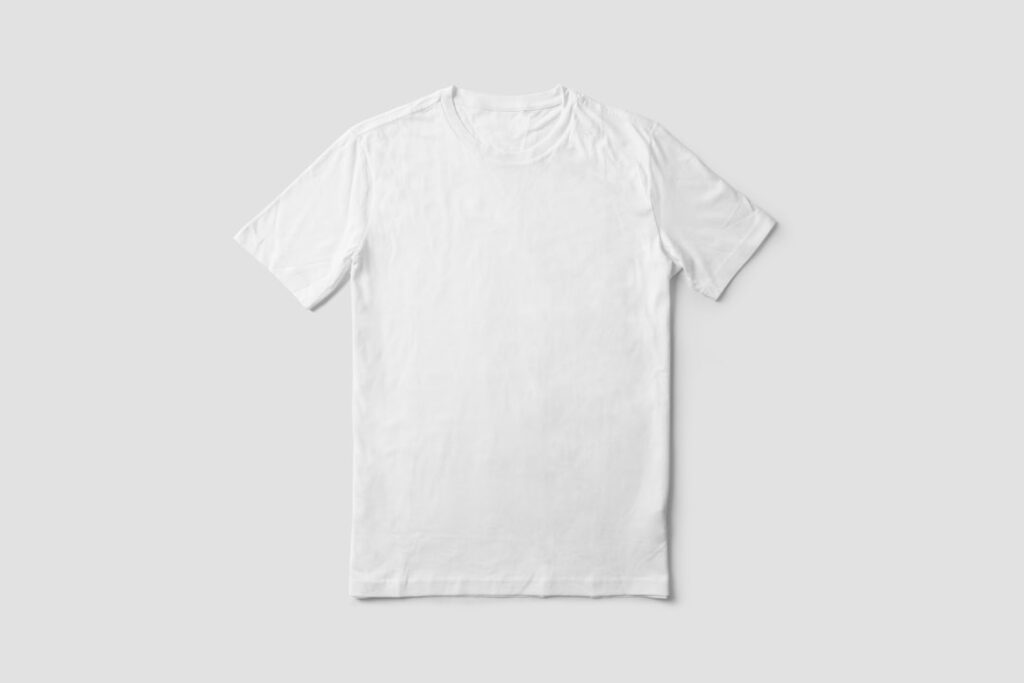
What Really Defines a "Good Quality" T-Shirt?
A high-quality T-shirt is more than just soft fabric—it offers comfort, durability, and consistent shape after repeated wear and washes. Local residents often look for shirts that withstand the seasonal changes and daily activities typical in Buffalo, NY.
Does Fabric Type Matter for Quality?
Yes, the fabric type is usually the first indicator of long-term satisfaction. Cotton is popular for its breathability, especially during humid Buffalo summers, but not all cotton is the same.
- Combed and ringspun cotton: Tends to be softer and stronger than basic carded varieties.
- Blended fabrics (cotton-polyester): Add durability and can dry faster, which helps during the city’s damp, cool seasons.
- Weight (measured in GSM or oz/yd²): Heavier shirts (over 5 oz/yd²) generally feel sturdier, but very heavy shirts may feel too hot under extra Buffalo winter layers.
People often think thicker always means better quality, but some premium T-shirts use fine, lightweight cotton for softness without sacrificing durability.
Why Does Stitching Quality Matter?
Stitching doesn’t just hold the shirt together—it affects how it fits and ages. In Buffalo, where layers come on and off throughout the year, seams that split or fray can ruin an otherwise great shirt.
- Look for double-stitched hems and sleeves. This reinforces parts of the shirt most likely to stretch or catch.
- Flat, even stitches signal care in construction.
- Low-quality shirts often skip corner details or use irregular sewing that unravels faster.
- Shoulder and neck seams: Well-made shirts may use tape inside these seams to reduce irritation.
How Does Fit and Shape Hold Up Over Time?
Shirts that shrink, twist, or lose structure quickly go to the bottom of the drawer. Residents in the city often want shirts that stand up to frequent wash-dry cycles in high-efficiency machines common in Buffalo homes and apartments.
- Preshrunk fabrics: Reduce risk of dramatic shrinking and warping.
- Spandex blends or added stretch: Help retain shape, especially in collar and sleeve openings.
- Side seams versus tubular construction: Side seams help the body maintain its intended fit; tubular shirts sometimes twist after washing.
What About Color and Print Durability?
Buffalo’s changing weather means shirts are washed often for salt, sweat, or humidity. Both the garment dye and any printed designs should resist fading or cracking.
- Reactive-dyed fabrics: Color stays vibrant longer than pigment-dyed options.
- Quality prints: Look for ink bonded deep into the fibers (such as screen prints or high-quality direct-to-garment), not just sitting on top. Flaking or peeling after a few washes is a red flag.
- Dark and bold colors: These often show wear soonest—if a shirt looks patchy or faded after a couple of washes, the dye process may have been rushed or low-grade.
Are There Common Quality Myths to Watch Out For?
A few beliefs about T-shirts can lead to disappointment:
- "Soft means high quality." Not always; excessive softening can sometimes weaken fibers.
- "All 100% cotton is the same." Cotton quality varies dramatically—long-staple cotton produces smoother, stronger shirts.
- "Expensive means better." Price can reflect quality, but some higher-priced tees skip on core construction to sell style over substance.

How Do Seasonal Needs in Buffalo, NY Affect T-Shirt Choices?
Buffalo’s mix of humid summers, crisp falls, and cold winters shapes what residents value in wardrobe staples.
- Summer: Lightweight, breathable material prevents discomfort in muggy weather.
- Winter: Heavier options can serve as layering pieces under fleece or flannel. Shirts that don’t pill or lose shape work better under frequent laundry and layering.
- Year-round: Good wicking properties, preshrunk fabric, and colorfast dyes keep T-shirts looking presentable no matter the season.
How Can You Judge Quality in Person?
Buffalo residents browsing at neighborhood events or local apparel shops can spot better shirts by:
- Holding shirts up to the light—see-through patches may signal weak fibers.
- Gently tugging seams to test stitching strength.
- Feeling the inside of necks and shoulders for smooth or taped seams.
- Rubbing printed areas; brittle or flaky surfaces suggest poor adhesion.
Is Ethics or Sustainability Linked to Quality?
Some residents also prioritize sustainability and ethical sourcing. While not always a direct signal of lifespan or comfort, brands that share details about fabric origins, production conditions, and certifications may invest more in long-lasting construction. Locally, these values resonate with the city’s growing interest in waste reduction and responsible purchasing.