

Custom clothing can be made with less environmental impact by choosing durable fabrics, limiting unnecessary decoration, ordering carefully, and planning for what happens after the garment is no longer wanted. The most sustainable option is usually not a particular label or trend; it is a garment that gets worn often, lasts through repeated washing, and does not become waste quickly.
What makes custom clothing more eco-friendly?
Eco-friendly custom clothing generally combines three factors: responsible material choices, efficient production, and long-term use. A shirt made from recycled fiber may sound sustainable, but its environmental value is reduced if it is poorly made, rarely worn, or difficult to reuse.
A more practical way to evaluate a custom garment is to ask:
- Is the fabric durable enough for regular use?
- Is the design appropriate for repeated wear?
- Can the garment be washed without special care?
- Is the decoration likely to crack, peel, or fade?
- Is the quantity based on a realistic need?
- Could the garment be reused, donated, repaired, or repurposed later?
For households, schools, neighborhood groups, clubs, and community events, buying fewer well-planned garments is often more responsible than ordering a large quantity of inexpensive items that will sit unused.
Which fabrics are better choices?
Fabric selection affects resource use, comfort, durability, and end-of-life options. No material is environmentally perfect, and the best choice depends on how the garment will be used.
Organic cotton is grown without many conventional agricultural chemicals, although it still requires substantial water and energy during processing. It can be a sensible choice for shirts that need a natural feel and regular comfort. Quality varies, so the weight and construction of the fabric matter as much as the fiber label.
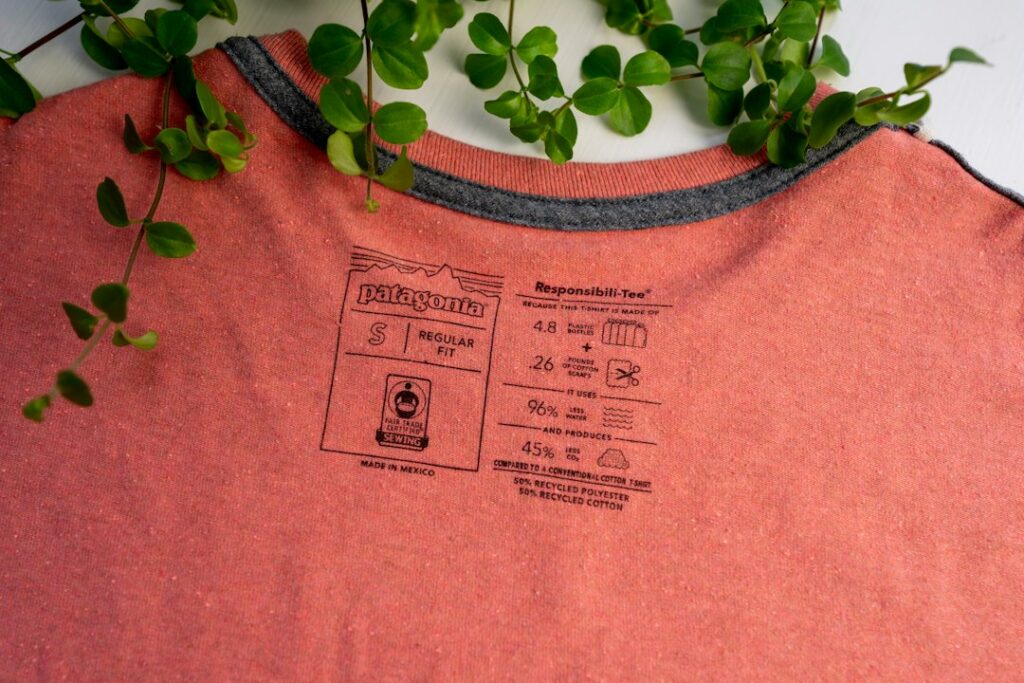
Recycled polyester is commonly made from recovered plastic materials. It can reduce demand for new petroleum-based fibers and is often durable, quick-drying, and suitable for athletic or outdoor clothing. Polyester can shed very small fibers during washing, so washing full loads and using cooler settings can help reduce overall impact.
Hemp and linen are plant-based fibers that can be durable and breathable. They may feel different from standard T-shirts and can wrinkle more easily, but they may work well for lightweight apparel, warm-weather clothing, and garments intended for long-term use.
Blended fabrics can provide comfort, stretch, and durability, but they may be more difficult to recycle because different fibers are combined. A blend is not automatically a poor environmental choice; a long-lasting garment that gets worn frequently may be preferable to a fragile single-fiber alternative.
For Buffalo households dealing with cold winters, snow, and frequent temperature changes, a practical layered system may be more sustainable than ordering separate garments for every season. A sturdy shirt, sweatshirt, or jacket that works across several months is likely to receive more use.
Is recycled fabric always the most sustainable option?
No. Recycled content is useful, but it should not be treated as the only measure of sustainability.
A recycled garment can still have a short useful life if the fabric is thin, the seams are weak, or the design is too specific for everyday wear. A durable conventional-fiber garment that is worn for years may have a lower overall impact than a recycled garment that is quickly discarded.
Look at the complete product rather than a single claim. Useful details include fabric weight, stitching quality, shrinkage expectations, colorfastness, and care instructions. The best material choice is one that matches the garment’s actual purpose and encourages frequent use.
Which decorating methods create less waste?
The decoration method affects ink use, energy use, durability, and the likelihood that a garment will be worn again.
Screen printing can be efficient for larger quantities, especially when the design uses a limited number of colors. It tends to work well for simple graphics and can produce durable results when properly applied. Ordering more garments than needed, however, can create waste regardless of the printing method.
Direct-to-garment printing is often suitable for detailed or full-color designs and smaller quantities. It may reduce the need for screens and excess setup materials, but the environmental outcome depends on the equipment, inks, pretreatment, and production practices involved.
Heat-applied decoration can be useful for names, numbers, small batches, and individualized garments. The type and amount of transfer material matter. Large areas of thick plastic-like decoration may affect breathability and can make later reuse or material recovery more difficult.
Embroidery is durable and can give a garment a long service life, particularly on jackets, caps, workwear, and heavier fabrics. It uses thread rather than ink, but dense stitching can add weight and may not be appropriate for every lightweight garment.
A design that uses fewer colors, moderate decoration, and a placement that remains attractive over time is often easier to wear repeatedly. Avoiding oversized graphics also leaves more of the garment’s fabric comfortable and useful.
How can ordering decisions reduce environmental impact?
Quantity planning is one of the most overlooked parts of sustainable apparel. Before ordering, estimate actual participation and consider whether sizes, replacements, and late additions are likely.
Helpful planning practices include:
- Use a sign-up period before producing a large group order.
- Order common sizes carefully instead of guessing heavily.
- Choose a design that remains useful after a single event.
- Avoid printing a date unless the garment is intended as a keepsake.
- Consider whether a small number of shared items would serve the purpose.
- Keep a few undecorated garments available for later needs if appropriate.

A timeless design is easier to reuse than a garment tied to one year, short-term slogan, or narrow event. For community activities, a simple emblem or readable text may remain suitable for future gatherings.
How should custom clothing be washed in Buffalo’s climate?
Care habits influence a garment’s environmental footprint more than many people expect. Repeated hot washing, high-heat drying, and premature replacement can shorten a garment’s useful life.
Wash clothing only when needed, using cold or warm water when the care label allows. Full loads are generally more efficient than frequent small loads. Turning printed garments inside out can reduce surface friction, and air-drying or using a lower dryer temperature may help preserve decoration.
Winter conditions can create additional wear. Road salt, slush, mud, and frequent layering may require more frequent cleaning of outer garments and sweatshirts. Spot-cleaning small areas instead of washing an entire garment can help extend its life. Storing clothing fully dry is also useful during humid periods because damp fabric can develop odors or mildew.
What should happen to unwanted custom clothing?
Custom clothing is often difficult to pass along because names, dates, team references, or highly specific graphics may not appeal to another person. That makes initial design and ordering decisions especially important.
Before discarding a garment, consider whether it can be:
- Donated for fabric or general reuse if it remains clean and wearable.
- Given to someone who values the group or event represented.
- Used as workwear for painting, gardening, moving, or household projects.
- Cut into cleaning cloths or craft material.
- Repaired if the fabric and seams are still sound.
Textile recycling availability can vary by municipality and collection program, so local disposal instructions should be checked before placing clothing in a recycling container. Clothing should not be placed with ordinary paper, glass, or container recycling unless the specific program allows it.
Are natural dyes and low-impact inks worth considering?
They can be useful, but the full production process still matters. A dye described as natural may require significant water, heat, or processing. Similarly, water-based inks may have advantages in some applications, but their environmental performance depends on curing, cleanup, and the production facility.
The most reliable approach is to focus on measurable, practical outcomes: durable construction, reasonable quantities, washable designs, and garments that fit normal daily use. A less complicated garment that gets worn for several years may be a better environmental choice than a heavily marketed “green” garment used only once.
What is the most practical approach for local residents?
For many area households and community groups, a sensible eco-friendly custom clothing plan looks like this: choose a durable garment suited to the season, use a simple design, order only what is likely to be worn, wash it carefully, and plan for reuse before production begins.
That approach works for school activities, volunteer projects, family gatherings, workplace clothing, recreational groups, and neighborhood events. Sustainability is built through ordinary decisions that extend the garment’s useful life and prevent unnecessary clothing from becoming waste.