

How Do Screen Printing and Embroidery Differ for Custom Apparel?
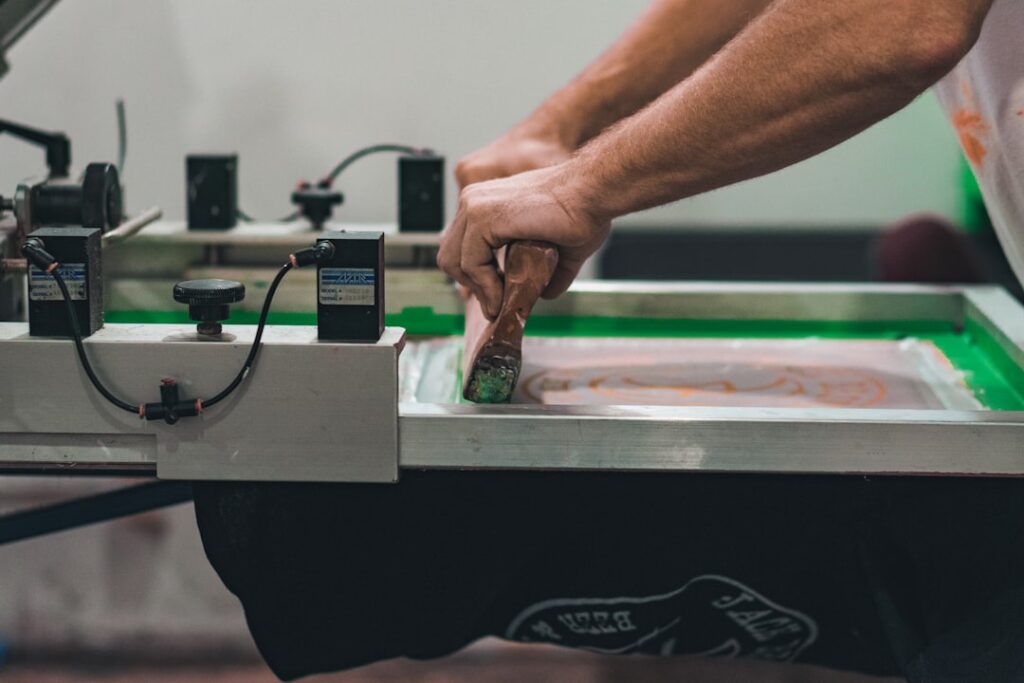
Screen printing and embroidery are two established methods for decorating custom apparel, each with distinct processes and results. Screen printing involves pressing ink through stencils (screens) onto fabric, creating flat designs. Embroidery, by contrast, uses stitched thread to create raised, textured images or text on clothing.
Both methods are widely used throughout the community for team uniforms, company apparel, school events, and more. The choice depends on factors like order size, durability, fabric type, appearance, and cost.
Which Method Lasts Longer in Buffalo’s Weather?
Embroidery generally stands up better to repeated washing and the range of weather conditions local residents face each year. Stitched thread holds its color and shape through heavy use, drying cycles, and the freeze-thaw cycles common in the city’s winters.
Screen printing can last well when using quality inks and proper technique, but it may begin to fade, crack, or peel after many washings—especially if garments are frequently exposed to snowmelt, grit, or industrial laundering. Proper garment care (washing inside out in cold water, avoiding high-heat drying) helps both methods last longer, but embroidery tends to have the edge when prioritizing long-term durability.
What Apparel Types Work Best With Each Method?
Screen printing excels on t-shirts, sweatshirts, and lightweight fabrics, offering vibrant colors and the ability to reproduce detailed, multicolor art at a reasonable price. It’s ideal for large orders, seasonal event shirts, spirit wear, and organization tees.
Embroidery is preferred for hats, polos, jackets, bags, blankets, and thick outerwear—especially items used repeatedly or washed often. The textured stitching looks especially professional on heavier or more structured clothing. Many local youth and adult teams choose embroidery for logos on warm-up jackets and hats, since it resists abrasion and maintains its appearance through Buffalo’s active seasons.
How Do Appearance and Style Compare?
Screen printing gives a smooth, colorful finish that can bring complex graphics and bold text to life. It’s a good match for designs with fine lines, gradients, or lots of color, such as community run shirts or festival tees. However, the ink sits atop the fabric, lacking the three-dimensional feel of stitching.
Embroidery creates a raised, textured design. The thread reflects light and stands out from the fabric, giving a sense of depth and formality. This is often seen on business polos, monogrammed jackets, and team caps. However, small text or highly detailed logos may not translate perfectly to thread—especially on textured or stretchy fabrics—since stitched lines have width.
What Costs Are Involved, and When Does One Become More Affordable?
Screen printing is usually more cost-effective for large orders, thanks to its setup process. The screen for each color is created in advance, making the first few prints more expensive, but subsequent prints much cheaper. For neighborhood festivals, athletic leagues, or school groups, printing dozens or hundreds of identical shirts keeps the per-item cost low.
Embroidery costs are calculated differently: Setup involves digitizing the logo, plus a charge per stitch. Small, simple logos remain affordable at any volume, but larger, more complex designs or mass orders of full-back jackets will cost more due to extra thread and machine time. For small local groups, an embroidered logo on a handful of jackets or hats may be very reasonable, especially if a professional look is essential.
Can These Methods Be Used Year-Round, Even in the City’s Challenging Seasons?
Both screen printing and embroidery can be done at any time of year, but some practical issues are worth considering.
Apparel products featuring embroidery—such as hats, scarves, heavy sweatshirts, and coats—are especially relevant during the city’s cold months, providing both warmth and style. Screen printed tees and light sweatshirts are favorites at summertime block parties, charity runs, and school field days. During muddy or wet seasons, area kids and workers may find embroidered items keep their appearance after more rugged use.

Some local misconceptions exist, such as the belief that embroidery is only for winter gear or formalwear, but in practice, it appears on lightweight caps, backpacks, and even some tees year-round. Likewise, quality screen printing can hold up to off-season wear as long as garments are chosen carefully and cared for properly.
Are There Limits to Colors and Designs?
Screen printing works well for bold, multicolor or photorealistic images, but complex prints (using many ink colors or detailed shading) can increase costs due to the need for separate screens. Gradients and high-resolution art are easier to reproduce with printing than with thread.
Embroidery shines with simpler, bold logos, names, and images having clear outlines. The color palette depends on available thread options; although many shades exist, extremely nuanced or photographic designs are challenging to replicate with thread alone.
What Should Area Households or Groups Know Before Choosing?
- For small runs or high-wear items like jackets, hats, and bags, embroidery may deliver lasting value, especially if professional appearance matters.
- For large shirt orders, especially with creative or multicolored designs, screen printing offers flexibility and helps manage costs.
- Matching a method to the fabric type and intended use—while considering city weather, storage, and laundering—ensures lasting satisfaction.
- Always review samples when possible to see how a specific design translates, especially if durability, color vibrancy, or texture is a priority.
Each method remains a popular choice for the city’s residents, with the final selection influenced by budget, style, and the purpose of the garments.